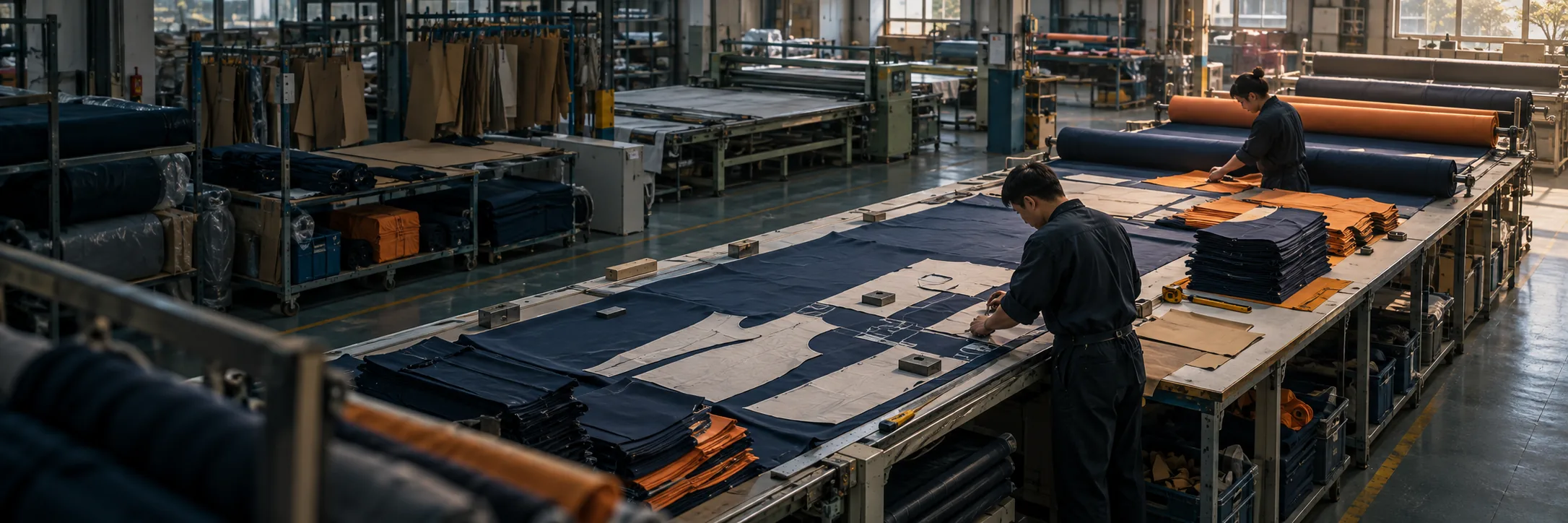
WILD GEESE / MADE WITH PURPOSE
Made with purpose, down to the detail.
A protective garment starts with a real task. Fabric, pattern, stitching and finishing are considered together so each piece works as a complete garment.
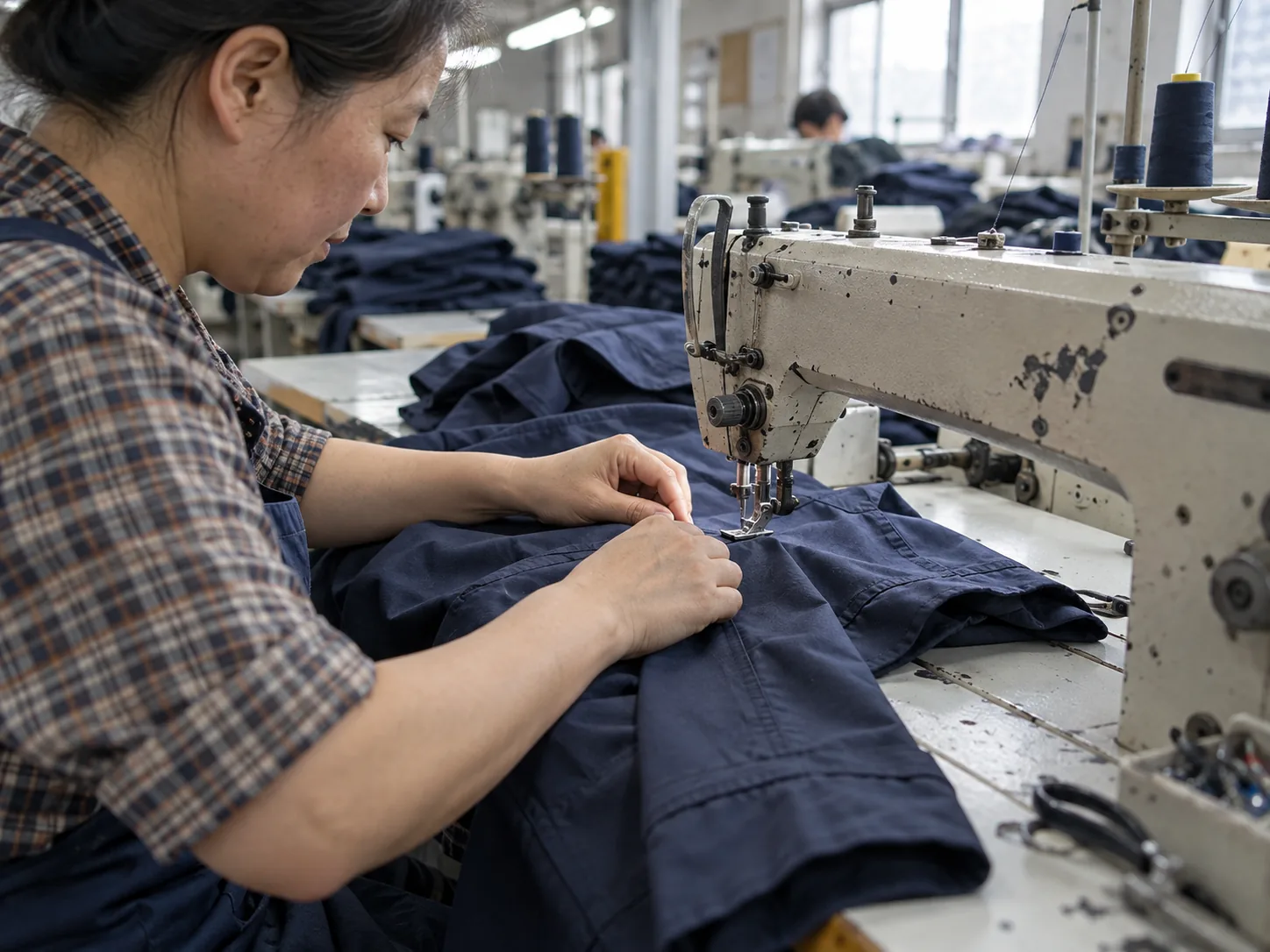
From material to movement
The way a garment is cut and joined affects how it feels through a shift. We consider the working environment, the fabric and the placement of pockets, closures and reinforcement before those details become part of a finished style.
During assembly, seams and panels need to follow the design intent. Reflective materials are positioned with the garment shape and expected movement in mind. The result is assessed as a whole, rather than as isolated features.
A garment for daily wear should be practical to put on, move in and maintain. Those everyday demands guide conversations about fabric weight, seam position, openings and how protective elements sit across the body.
INSIDE THE PROCESS
Three stages, one practical goal
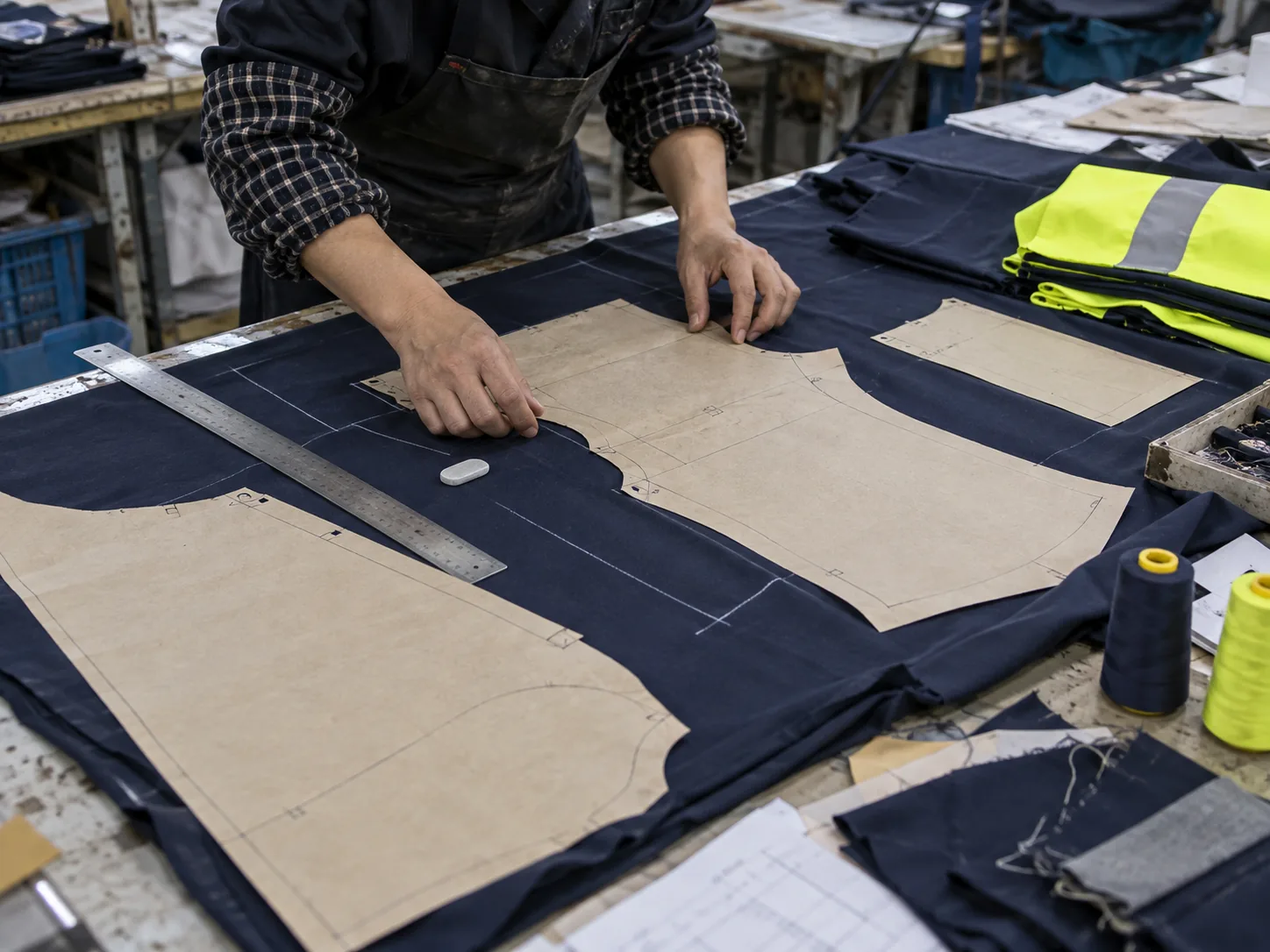
Plan the garment
Pattern, fabric and component choices are brought together around the intended use and selected specification.
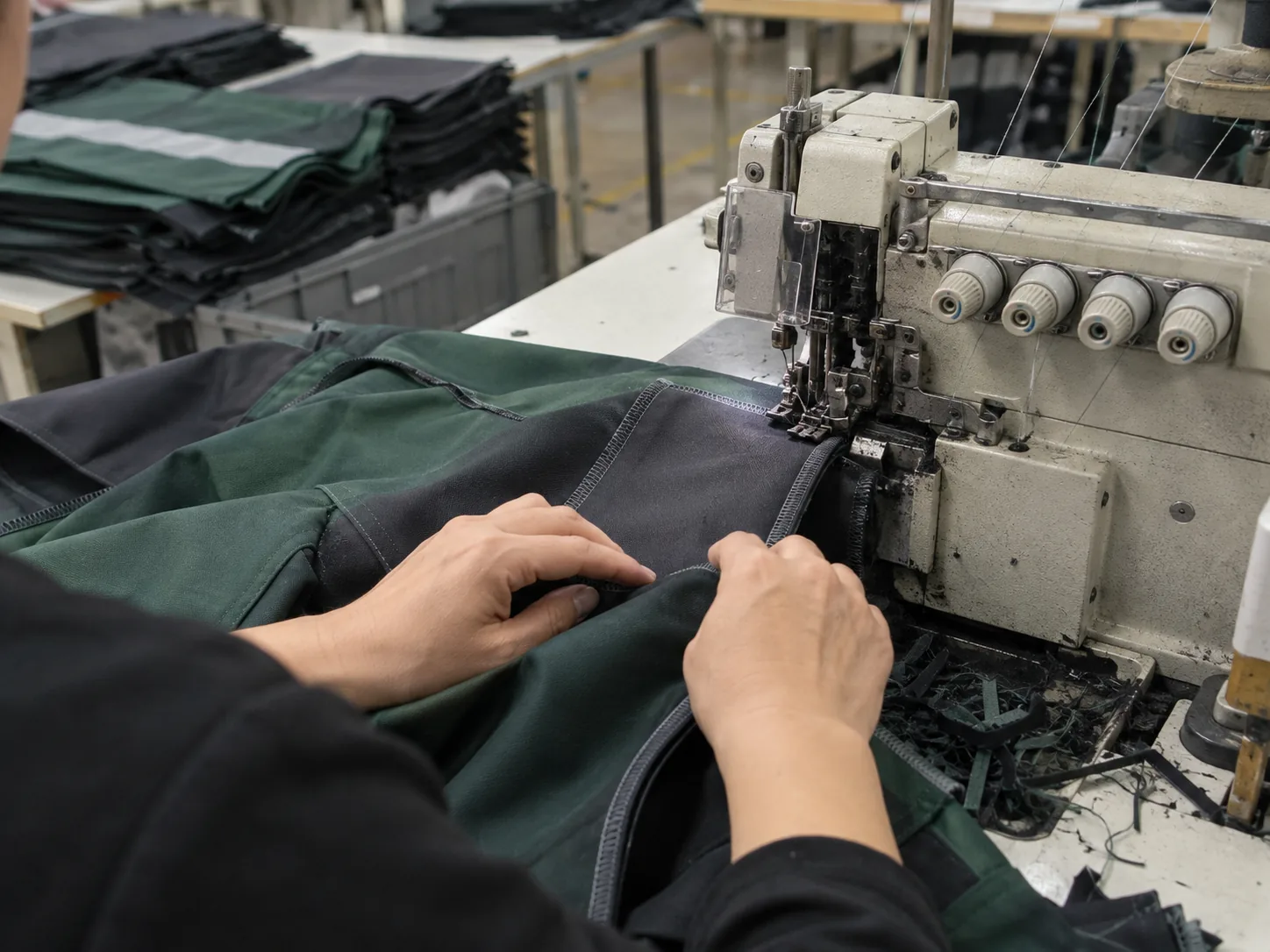
Build with care
Panel alignment, stitching and closures shape comfort, movement and everyday durability.
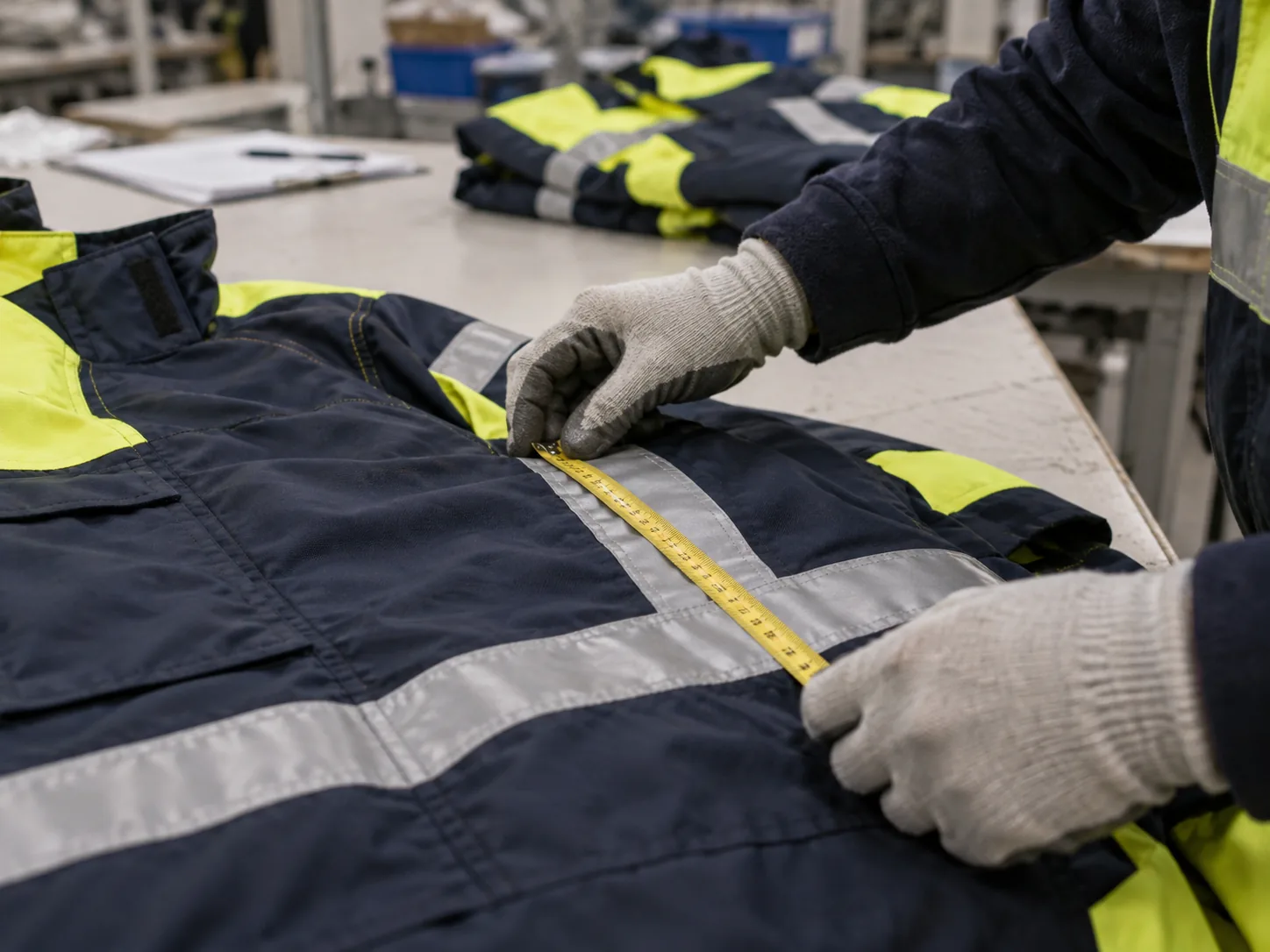
Place details precisely
Reflective trim and functional features are checked in the context of the complete garment.
Built for a specific purpose
Different jobs call for different construction choices. Explore the workwear range by application, then discuss fabric, fit and protection requirements for the style you need.
Explore workwear